When I started pig farming at Ilado Farm, I was very ambitious. I didn’t want to start small, I wanted to start big.
So I started with 50 piglets.
I had done my calculations.
The projected profit looked very attractive, the pens were ready, and everything felt like it was going to work perfectly.
And for the first few weeks, nothing seemed wrong.
The piglets were small, so feeding them didn’t cost much. Feed was lasting, and it didn’t really bother me.
But as they started growing, everything changed.
The same feed that used to last for weeks suddenly started finishing very fast.
What used to last for almost a month was now barely lasting a few days.
That was when it hit me that feed is not just a cost, it is the biggest cost in pig farming.
At that point, pressure started building.
We began to look for ways to reduce feed cost. We got different advice from farmers about cheaper feed formulas.
And we tried them, but something else started happening.
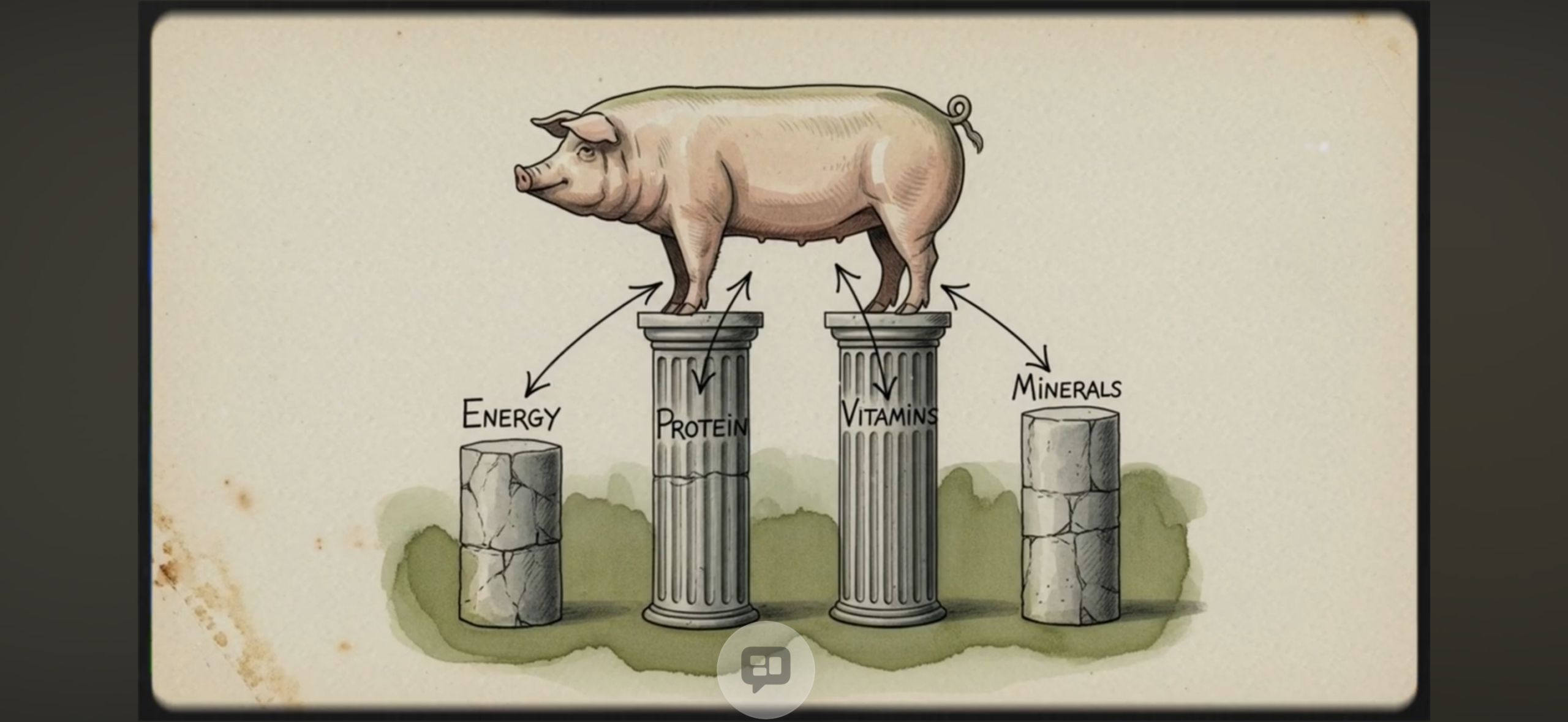
As the feed quality reduced, the growth rate dropped. The pigs were eating, but they were not gaining weight as expected. And that created another problem.
Instead of reaching market weight on time, the pigs were staying longer on the farm.
Which means more days of feeding.
And in the end, we were not really saving money. We were just spending smaller amounts over a longer period, sometimes even more in total.
That was when we had to make a decision.
We went back to the feed formula that gave us good growth. Because at the end of the day, faster growth means: shorter time on the farm, less total feeding days, and quicker turnover.
That was how we were able to push the pigs to market weight, sell some, and retain some for breeding.
That experience taught me something I will never forget
Big numbers don’t guarantee profit.
Many new farmers think starting with plenty pigs means more money. But what they don’t see is the pressure behind it.
Feeding 50 pigs is very different from feeding 10 pigs.
One farmer can start with 50 pigs and struggle, while another starts with 10 pigs, manages them well, and makes steady profit.
If you’re just starting out, ask the right questions.
Don’t just ask: “How much can I make with 100 pigs or 500 pigs?”
Ask: “Can I comfortably feed and manage this number of pigs?