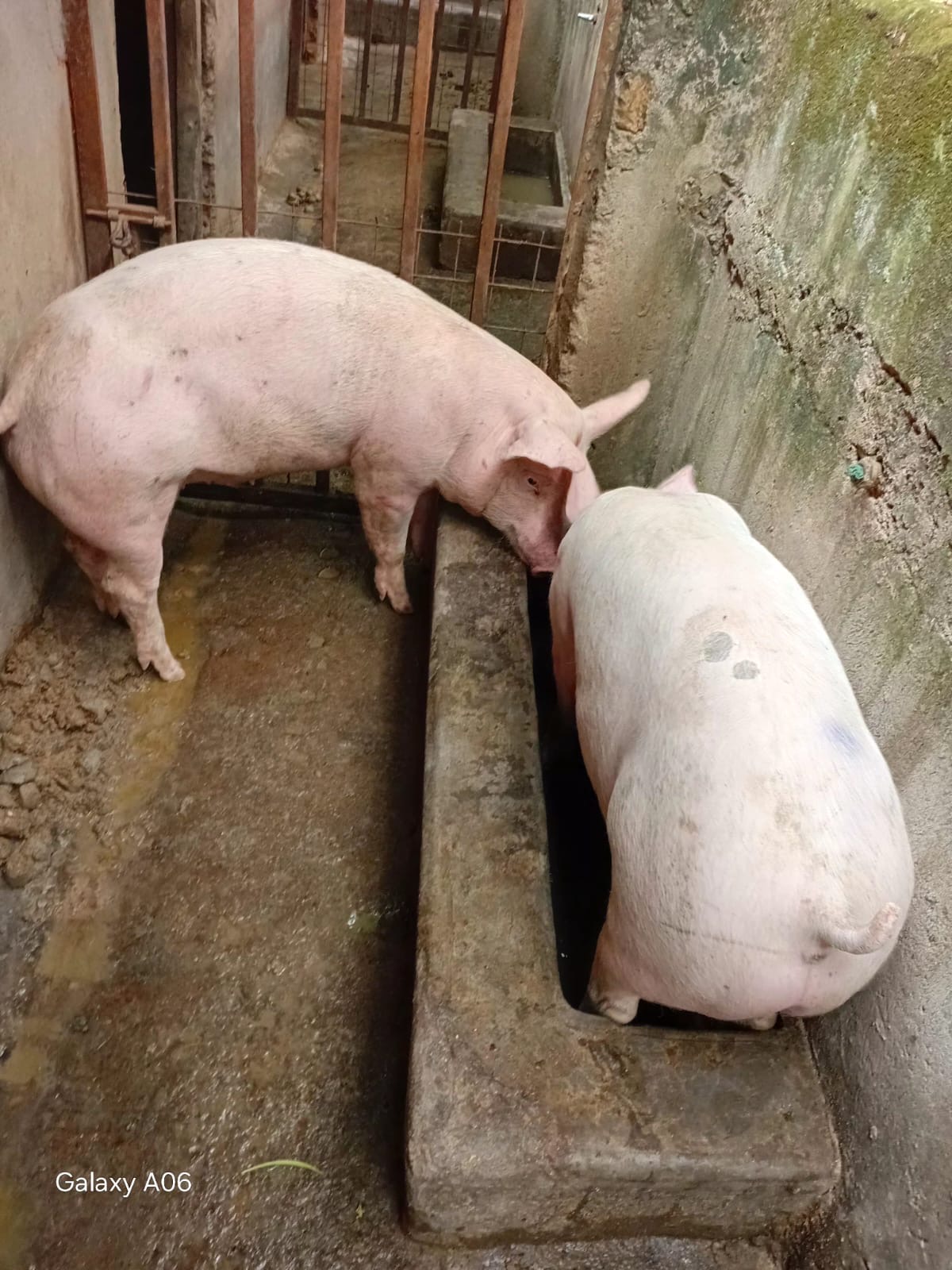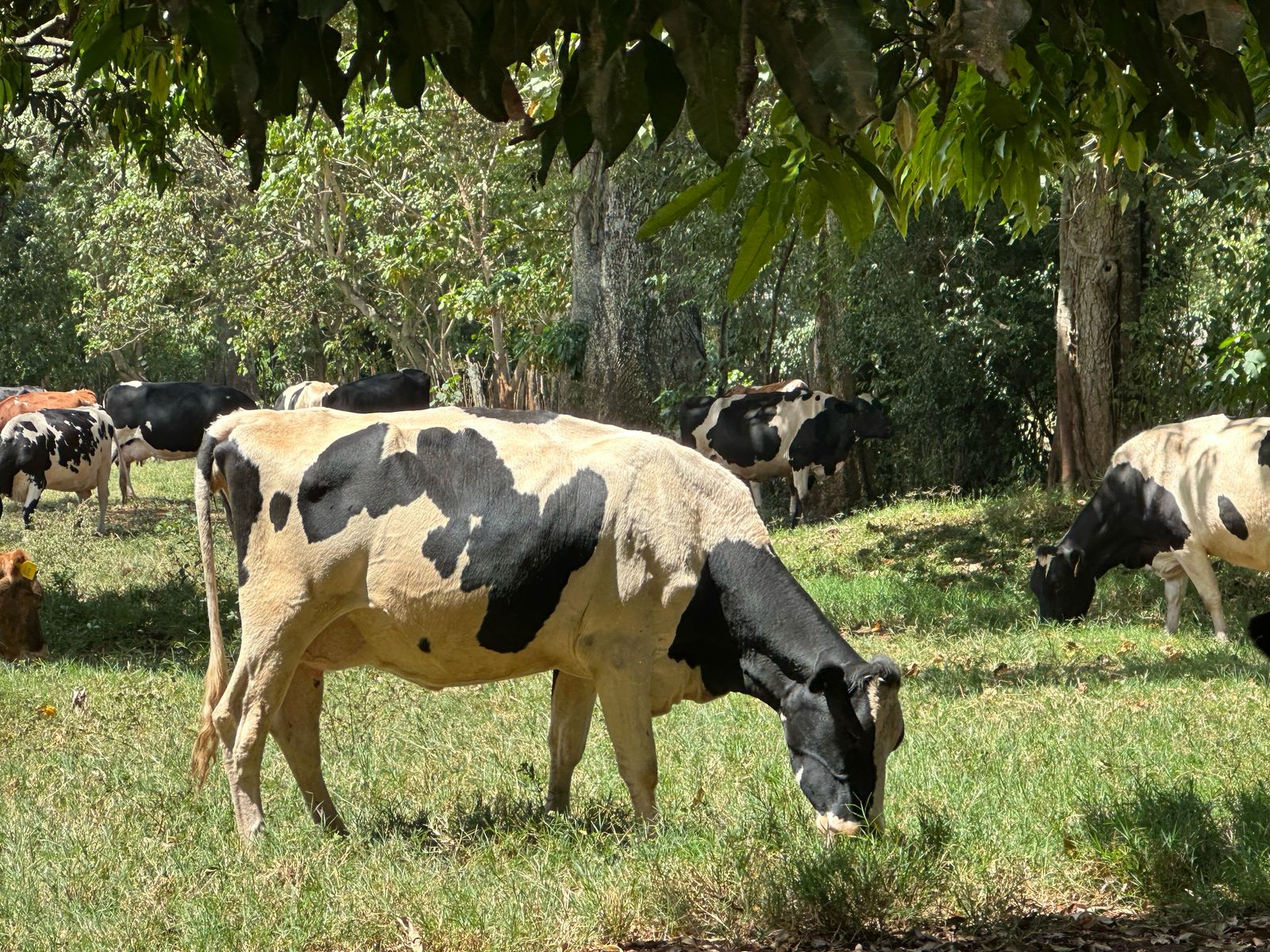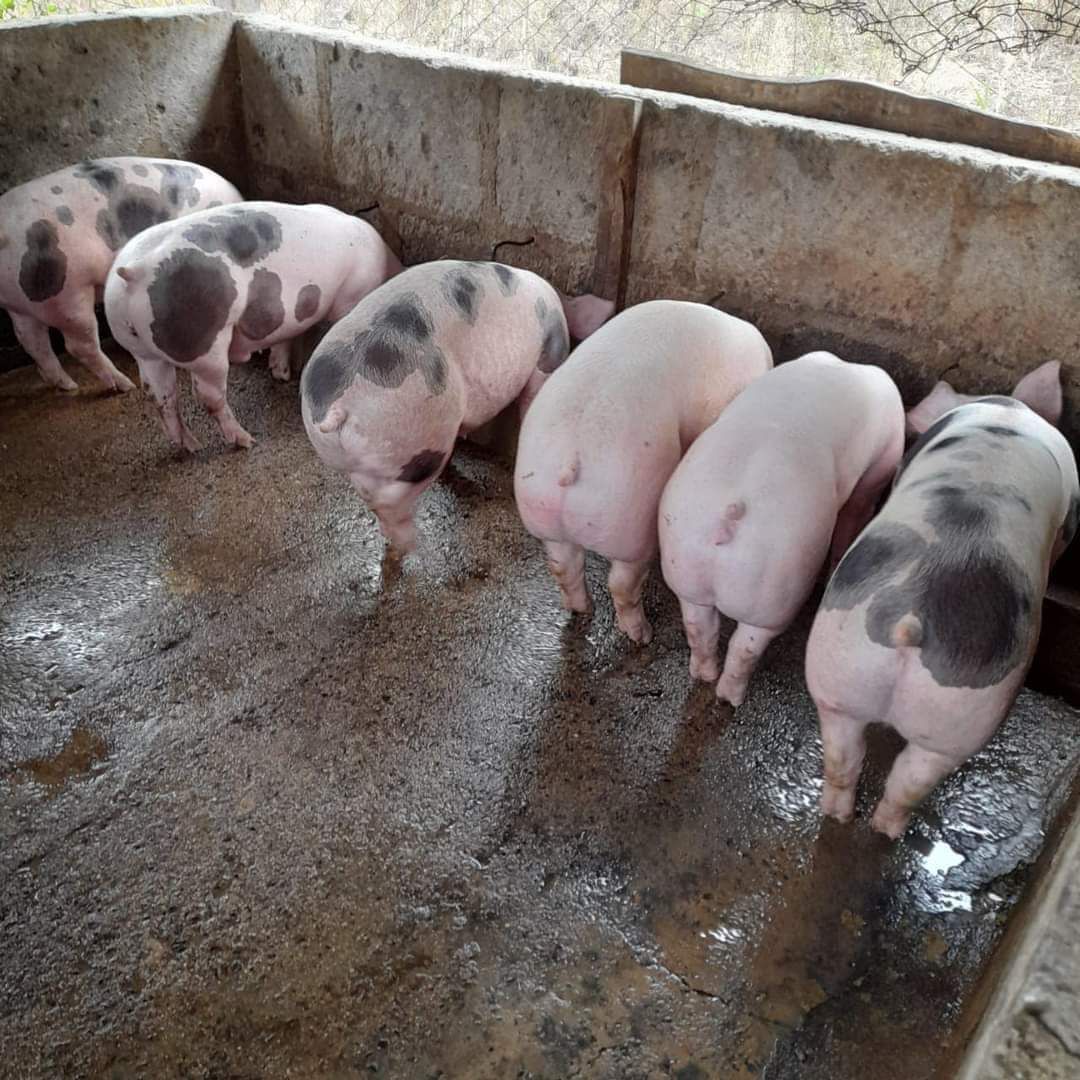
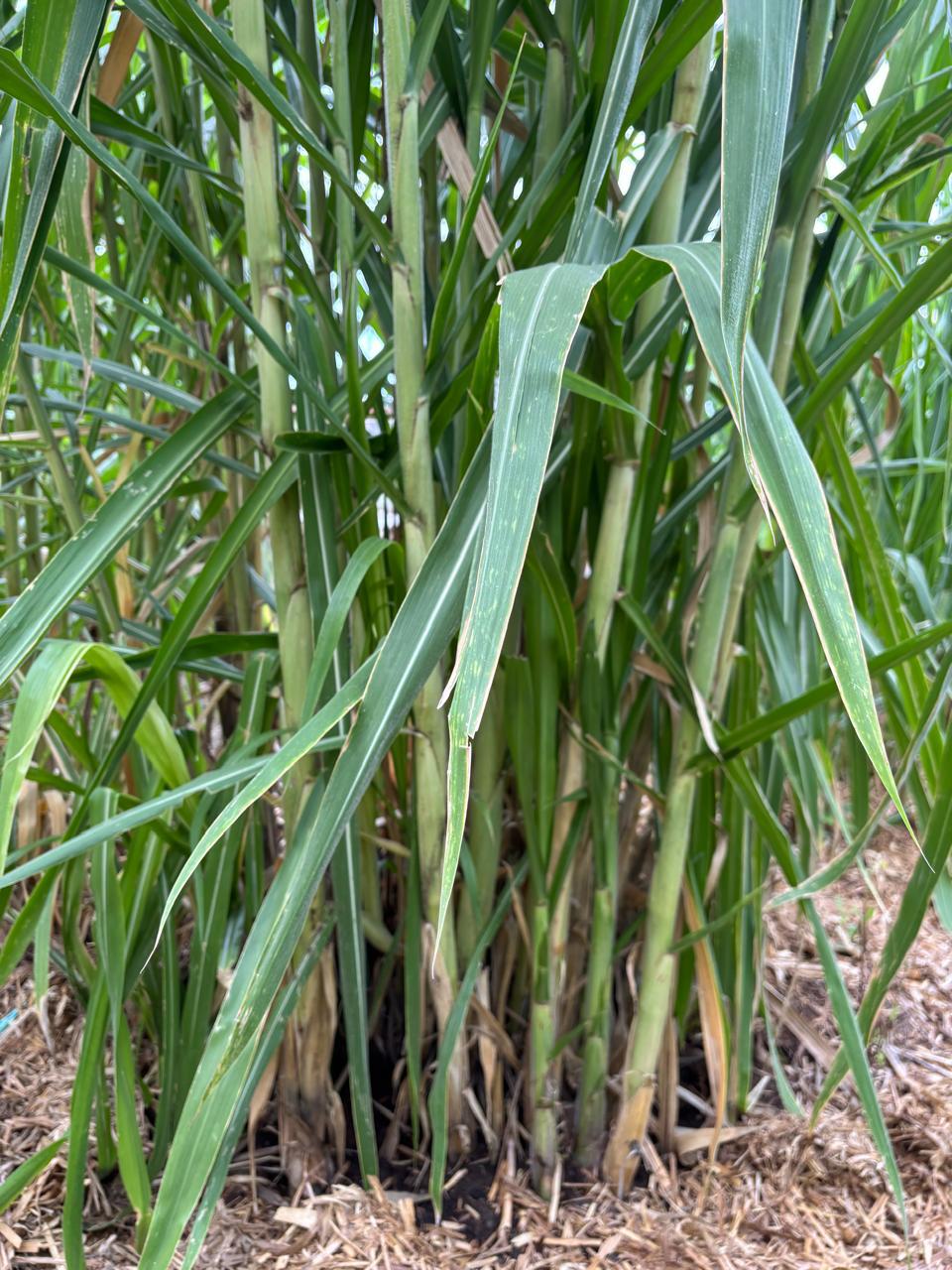
At Ilado Farm, the decision to incorporate Juncao grass into our agricultural practices stems from a commitment to sustainability, animal health, and environmental stewardship. Juncao grass, scientifically known as Pennisetum purpureum x Pennisetum anceps, is a hybrid grass that has been gaining popularity among modern farmers for its remarkable benefits.
Nutritional Value and Livestock Health
One of the primary reasons for using Juncao grass is its exceptionally high nutritional value. This grass variety boasts a rich fiber content and is highly digestible, making it an excellent forage option for livestock, particularly cattle. As a result, animals grazing on Juncao grass tend to exhibit improved weight gain and overall health. The grass’s high protein content can significantly enhance milk production in dairy cows, leading to more sustainable and profitable operations for farmers.
Sustainability and Soil Health
Juncao grass is known for its fast growth and resilience, allowing it to thrive in various soil conditions. Its extensive root system improves soil structure and reduces erosion, contributing to better water retention and nutrient availability. This grass helps restore degraded land, making it a sustainable choice for enhancing soil health over the long term.
Moreover, Juncao grass is a perennial plant, which means it requires less frequent replanting compared to annual crops. This reduces the need for tillage, further protecting the soil and minimizing carbon emissions associated with farming activities.
Cost-Effectiveness
Utilizing Juncao grass can also be a cost-effective option for farmers. Its high yield means that a relatively small area can produce significant amounts of forage, reducing the need for purchasing additional feed. This can lead to substantial savings for livestock farmers, as the cost of feed constitutes a significant portion of agricultural expenses.
Environmental Benefits
In addition to its agricultural advantages, Juncao grass contributes positively to the environment. As a plant, it absorbs carbon dioxide and helps mitigate the effects of climate change. The grass can also support biodiversity by providing habitats for various wildlife species.
Conclusion
At Ilado Farm, the decision to use Juncao grass reflects our commitment to improving livestock health, enhancing soil quality, and promoting sustainable farming practices. With its impressive nutritional benefits and environmental advantages, Juncao grass represents a forward-thinking choice in modern agriculture. By prioritizing such sustainable practices, we aim to foster a healthier future for both our farm and the larger ecosystem.